Automation, integrations and practical AI for tasks people already need to complete. Define a useful result, evaluate it and plan how the improvement will be operated.
Discuss the workflow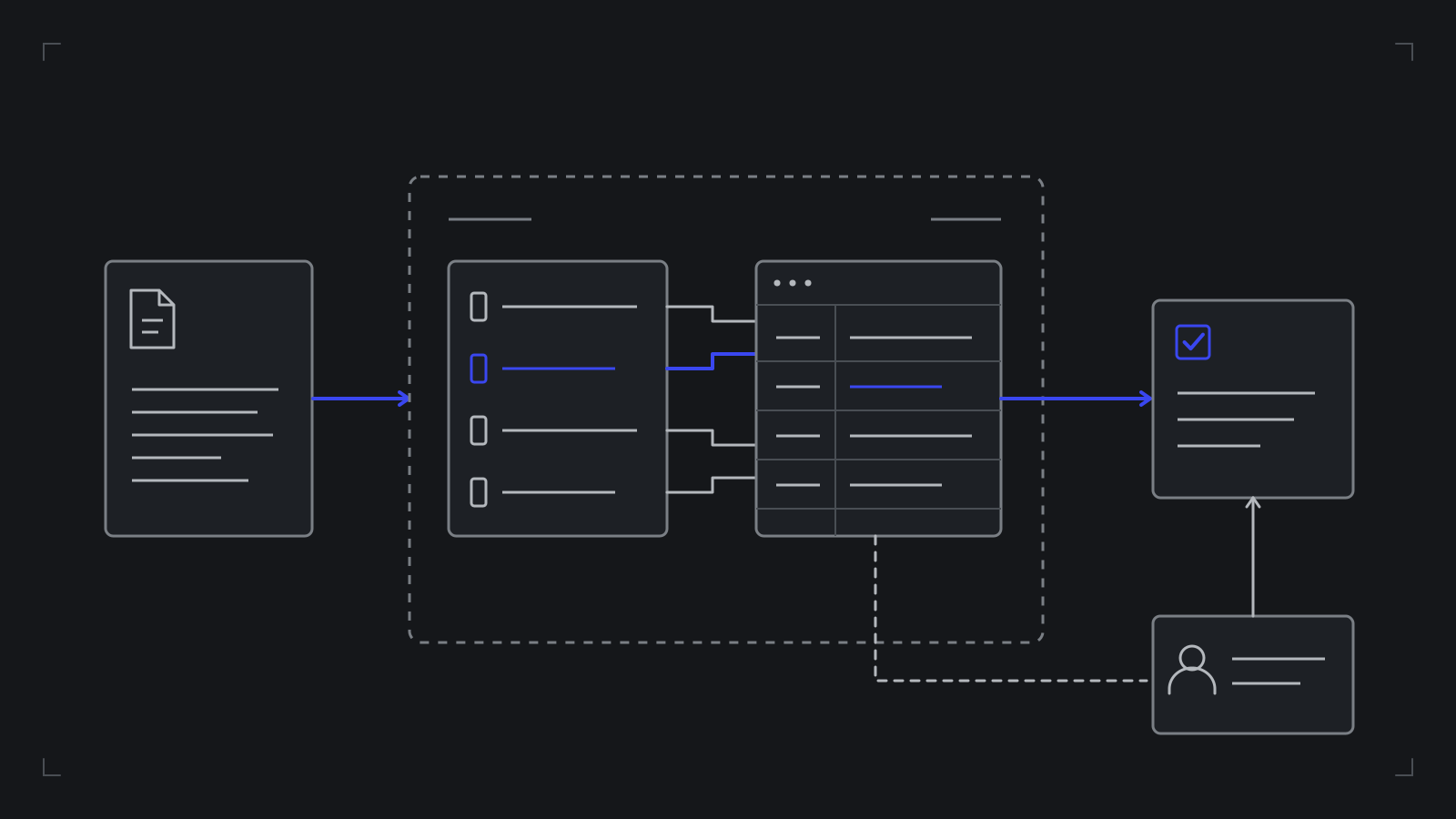
An example workflow: extract information from a document, check it and pass the approved result to the application.
Agree the users, workflows, priorities and acceptance criteria
Develop the application and integrations in increments you can see and test
Agree the deployment environment, responsibilities and readiness checks
Provide the agreed code and documentation, with maintenance and further work scoped explicitly
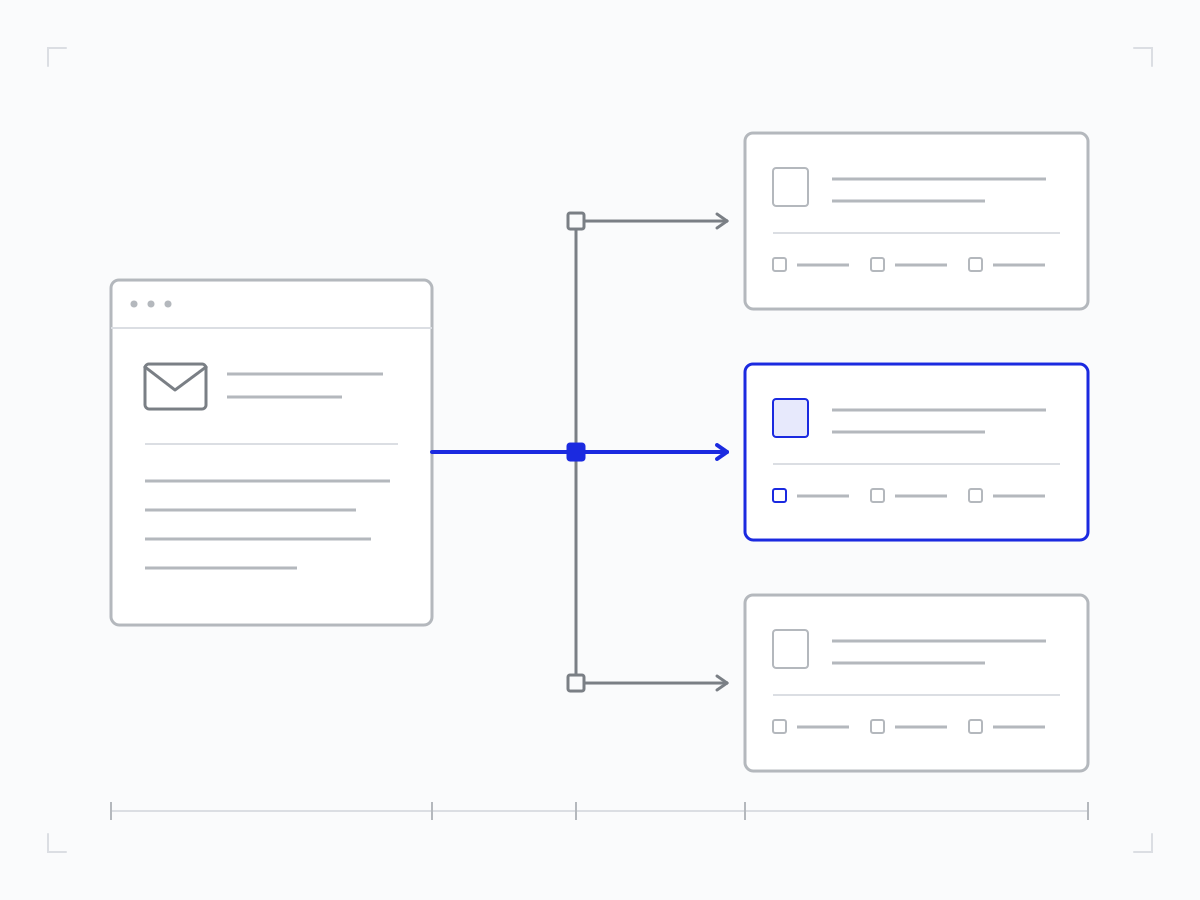
Requests follow agreed rules into the right queue for the next action.
Move information between tools, route a request or reduce repeated manual steps. For AI, possible uses include extracting information from documents or drafting a response for human review. These are candidate workflows to evaluate, not promised outcomes.
Measure slow responses, repeated failures or resource costs before choosing what to change. Agree the baseline and success measure, then implement and compare the result.
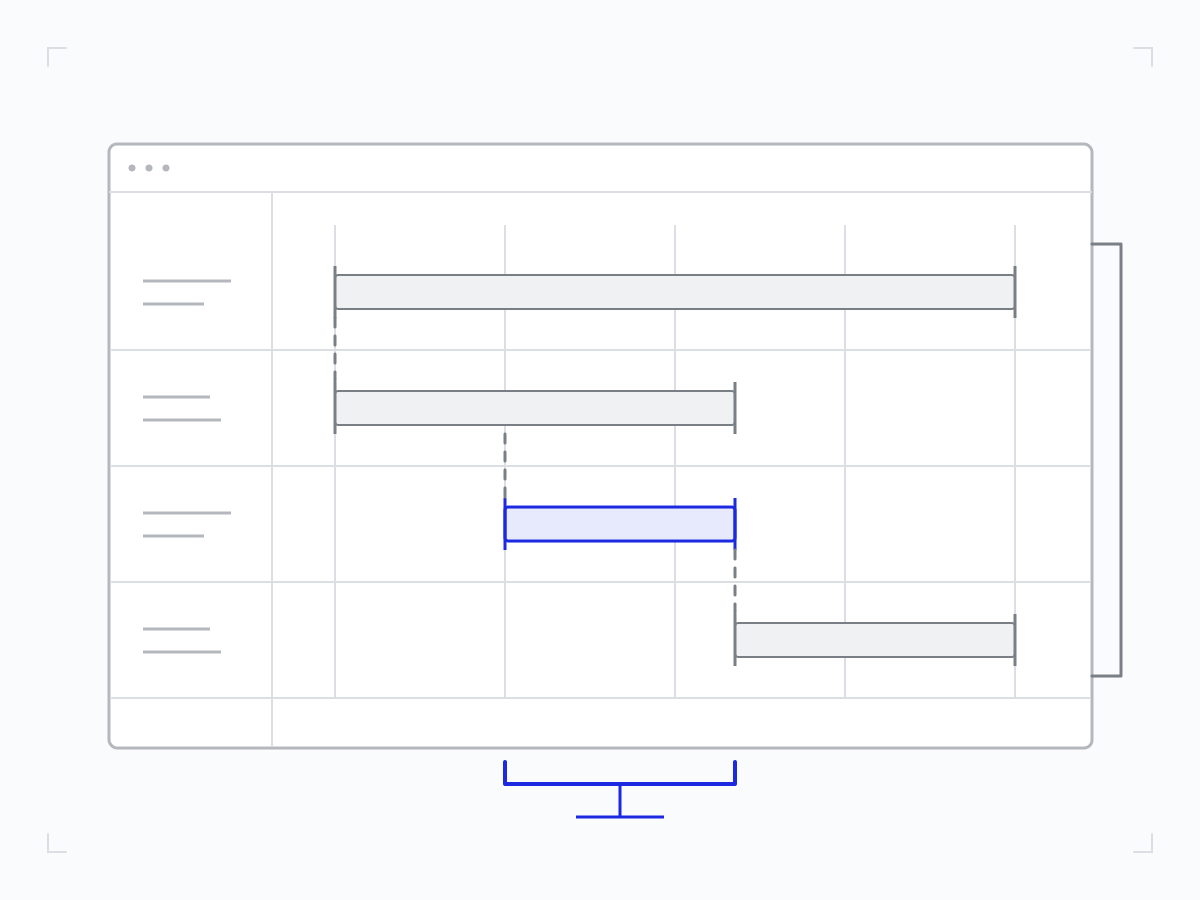
Trace the work inside a request to find where it waits. Measure before choosing what to change.
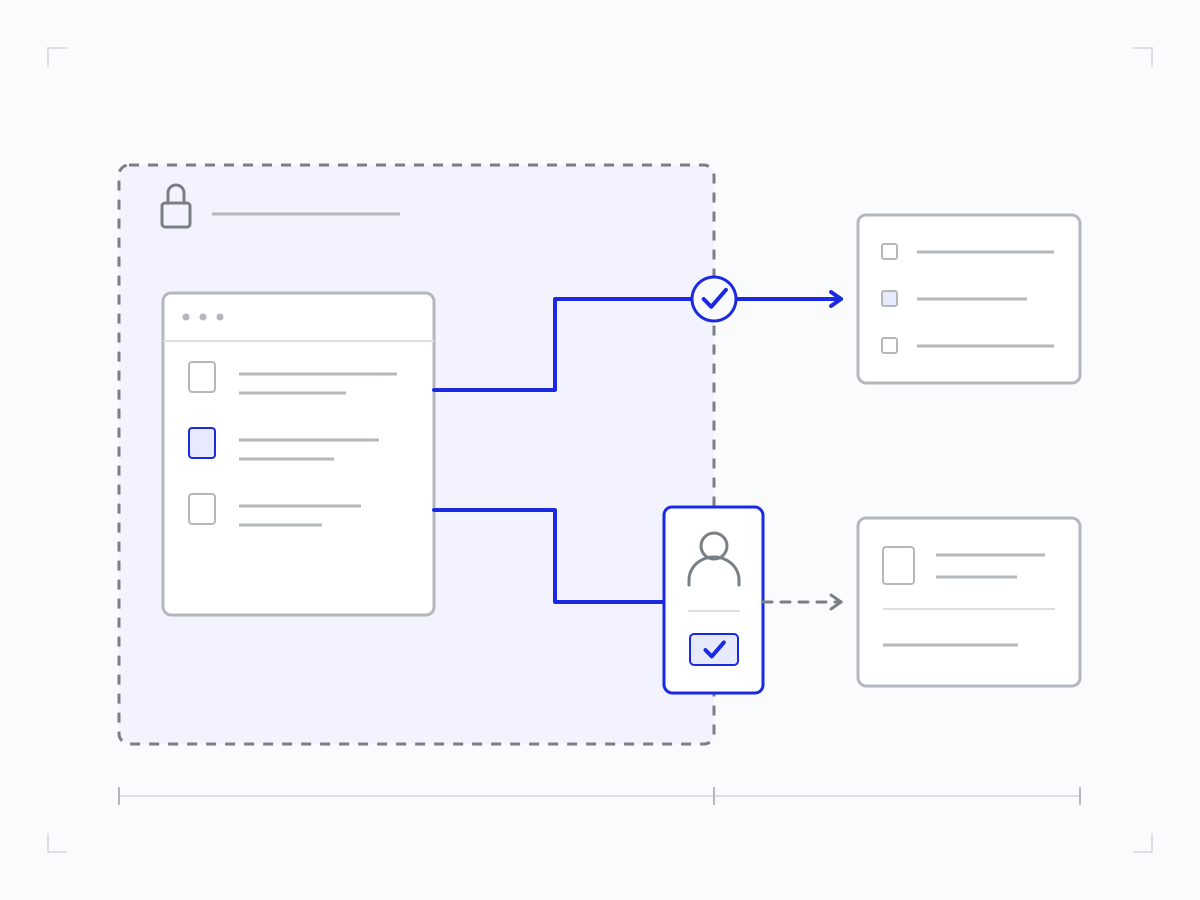
Give automation access to the information it needs. Keep consequential actions behind an approval step.
Begin with a workflow review or a focused implementation when the scope is clear. An AI pilot needs representative data, evaluation criteria, permissions, failure handling and a named operator. These four questions guide the scope:
What does someone need to complete, and where does the work get stuck?
What will we measure to tell whether the change helps?
Would an integration, a rule or a better form solve the need?
Who reviews the output, handles failures and supports the workflow?

AI is useful only when the workflow and evidence support it. We agree data access, human review and operating responsibilities before connecting an AI feature to real work.
